Culture as Code: Building a Team Playbook for Quality Software
Why culture matters
The 2004 US men’s Olympic basketball squad read like a highlight reel: Allen Iverson, Tim Duncan, Carmelo Anthony, Dwyane Wade, and a rookie named LeBron James. On talent alone, they should have dominated. Instead, they lost to Puerto Rico by 19 and eventually had to settle for bronze. Around the same era, the Houston Rockets assembled a roster of Hall of Famers (Olajuwon, Drexler, Barkley, Pippen) yet finished with infighting and no championship. Real Madrid’s Galácticos era packed Zidane, Figo, Ronaldo, Raúl, and Beckham into one lineup, a fantasy team on paper. Over three seasons, they won nothing (unless you counting the Super Cup). Textbook underachievment.
The pattern is obvious: individual contributions don't mean team success. The same goes with software engineering. You can have cutting-edge test coverage, a perfectly tuned AI copilot, or a CI pipeline that checks everything on each commit. If the team culture is fractured, the bugs will still reach production, deadlines will still slip, and people will still crash out.
Culture is the invisible framework that defines what “done” means, how decisions get made, and how team members coordinate. Without deliberate attention, it forms haphazardly and the odds that it forms the way you would like it to are slim. Fancy tools won’t compensate for a culture that doesn’t align on goals or respect how work gets done.
The myth of more
Engineers got a default move: when in doubt, add more. More RAM, more tests, more reviewers, more approval gates, more AI assistance, more dashboards. The industry’s tooling landscape explodes daily as we are graced with new languages, frameworks, CI setups, TDD dogmas, agent swarms, LLM integrations, you name it. The discourse is relentless, yet the same problems that plagued teams 15 years ago still haunt us: lingering production bugs, unreachable deadlines, and burned-out engineers.
The issue isn’t that these tools fail to deliver on their promises. Most actually do work as advertised. The real insight is that tools amplify the team using them. A cohesive team with clear goals will leverage tools to move faster. A disjointed team will use those same tools to create more sophisticated chaos at an even higher rate. The latest rise of AI-assisted development has made this extra obvious. Code now ships faster than ever and also with more overconfidence than ever. The convo be always be on speed and lines of code, but not so much on using these advances to (finally) build better software.
The uncomfortable truth remains: the secret to software quality was never the technology. It may sound simple, but it's actually the people and how they collaborate: their communication, decision-making and accountability. Tools play a supporting role, but will never carry a team on their own.
Culture as code
Developers form deep attachments to their code. They design it meticulously, review it rigorously, refactor it endlessly and can't stop arguing over names for their code (babies). Code becomes an extension of one's identity. But here’s the reality check: code, for all that it's worth, is just that.... code. Even an LLM can write it. Real value lies in the human dynamics that let projects come to life: the team culture.
But what is culture exactly? Like language, it’s an invisible system of shared agreements, rituals, and understandings among a certain group of people. You can’t point to it or change it directly. Culture reveals itself through actions: how meetings run, how feedback is given, how conflicts are resolved. It’s the lived contract about how the team operates, especially when the going gets tough.
Unlike languages, whose evolution is creeping along slowly and organically across societies, a team's context is limited enough to be able to actively shape its culture. So why not apply the same principles to our team culture that we apply to code?
- •Design it with intent: Define what kind of team you aspire to be, rather than letting norms form by accident.
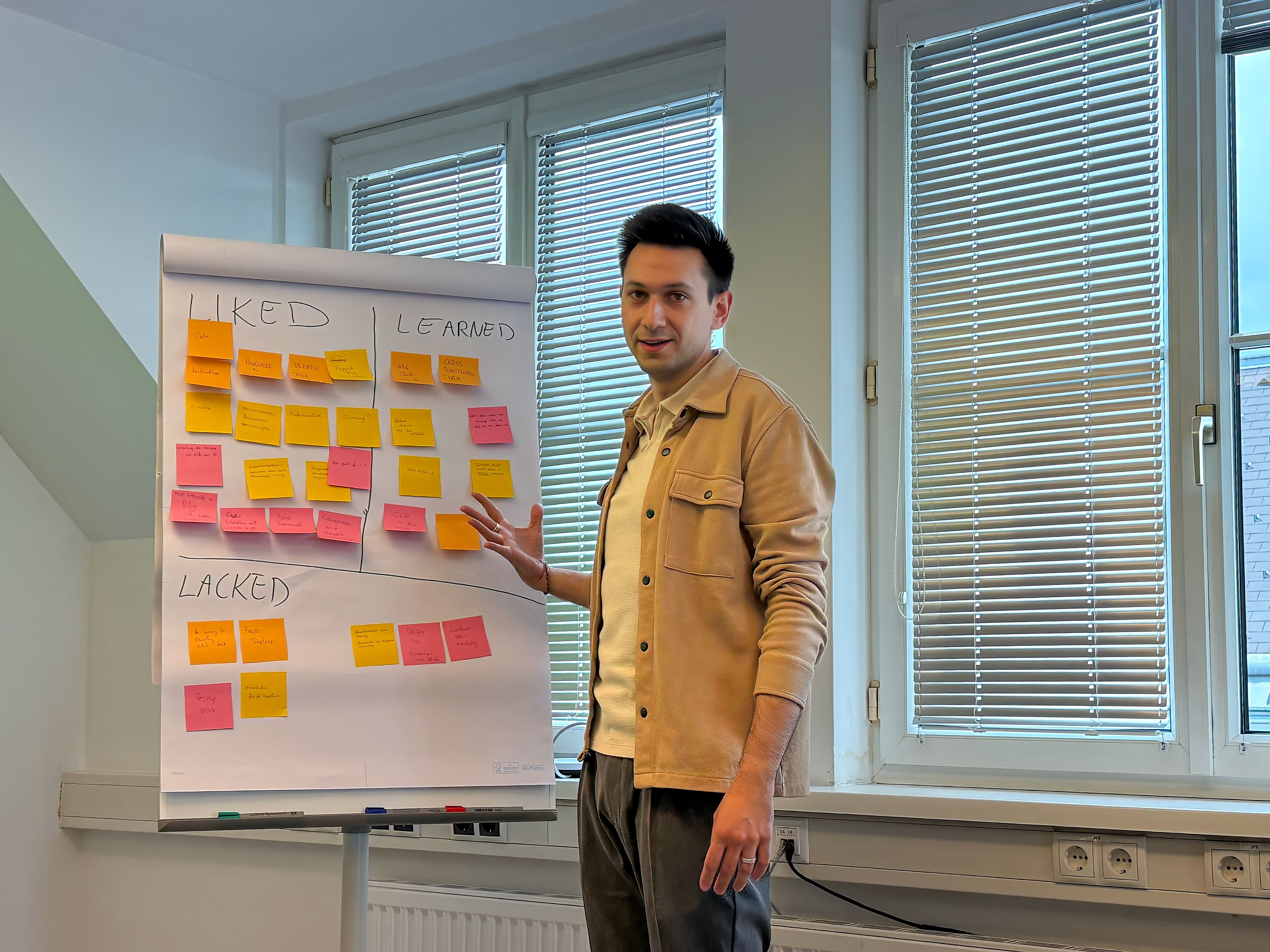
- •Review it regularly: Just as code reviews catch code smells, cultural reviews surface dysfunctional patterns before they stick.
- •Refactor it iteratively: Address the biggest pain points one at a time, improving with each iteration.
Codebases are shaped by thousands of small decisions over time. Culture is the same. The difference? Most teams treat culture as something that happens to them, not something they can change, cause there's no PR behind it. In reality, culture can (and actually should) be steered deliberately, just like any critical system.
Building software is a team sport
A team that functions just like a well-oiled machine comes down to two things: trust and care. When team members genuinely care about the result of their work and also about each other, quality becomes inevitable. People don’t let issues slide and they speak up early. Real talk prevents failures and drives growth for every individual but also the team as a whole.
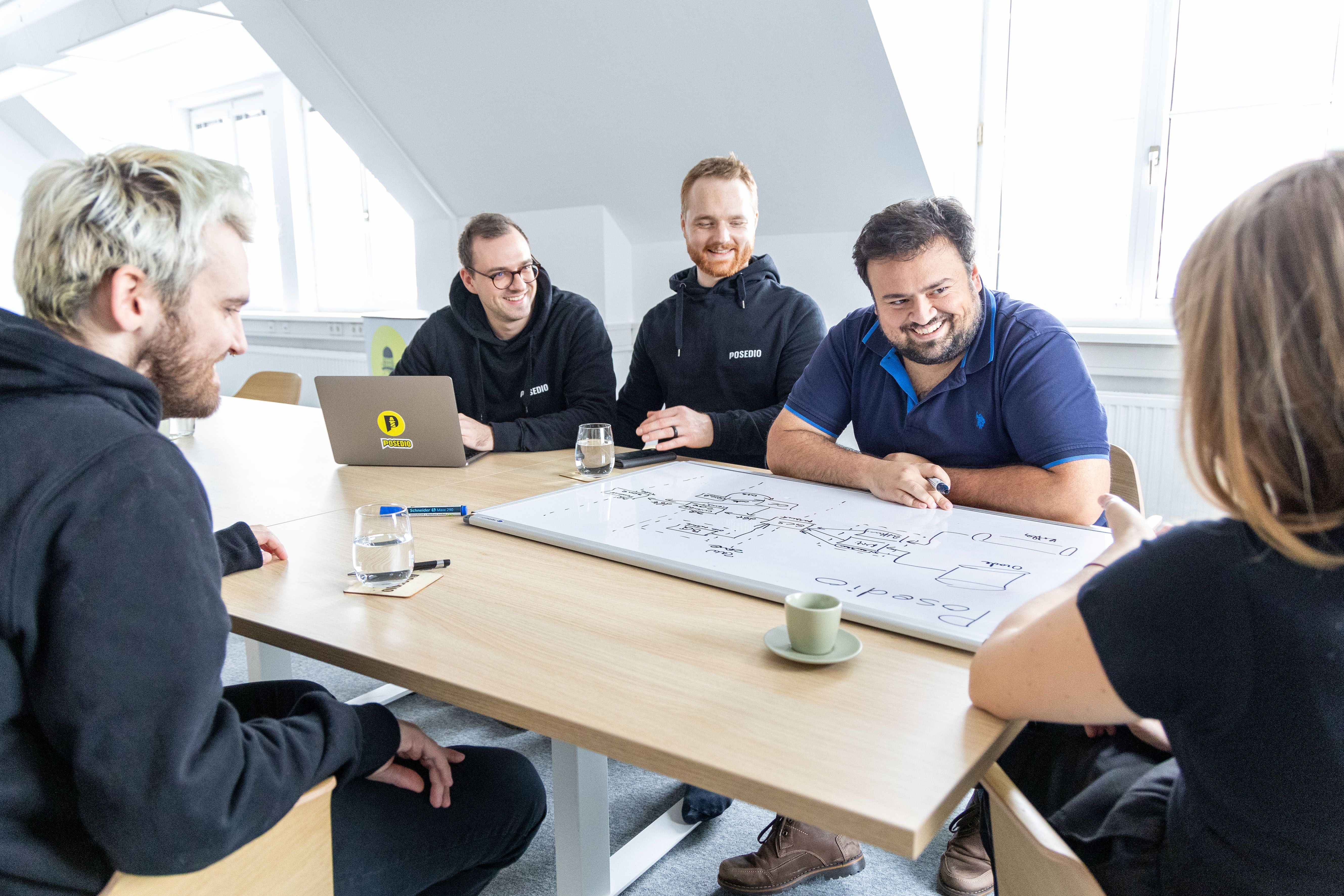
The creme de la creme of engineering teams don’t function like a couple individual contributors thrown together. They operate like a sports team: aligned on a common goal, sharing core values, executing a game plan, understanding each other’s roles and trusting that every teammate will deliver their part. This shared playbook of rituals and practices separates great teams from the rest.
The culture tax
Cultural debt accumulates just like technical debt. Every time a team lets a disrespectful code review slide, allows blame to creep into a postmortem, lets a member drift into isolation or goes through yet another 20-minute standup where no one listens, it’s charging a small amount to a credit card. The interest stacks silently, eroding the team culture from deeply within. This is the Culture Tax: quiet, constant, and nearly invisible until the damage becomes unbearable.
Building a strong culture is difficult and slow, while damaging one can be done in a jiffy. There’s no silver bullet or full rewrite for culture, but improvement comes from small, deliberate changes applied where the pain is the worst, just like it is with the maintenance of code. Ignore the small issues and they’ll grow into systemic problems that can cripple even the most talented team.
The bottom line
You can’t fix everything at once. Start small. Change one practice. Try it next week. Evaluate how it went. Then pick another. The whole thing ain't about immediate returns. It’s about building the habit that culture is intentionally shaped, not left to chance. Send a clear message: we own how we work, together.
Communication shapes culture. Culture shapes communication.
The best software emerges from teams that treat their collaboration with the same care they give their code: design it, review it, refactor it. Move as a unit and celebrate as one, but also fail as one. If you care about your culture and you care about each other, you’re already ahead of most teams out there.